Epstein File: What It Is and Why It Matters?
Introduction
One of the most discussed sets of legal and investigative documents in recent years is the Epstein File.It alludes to the millions of records, emails, pictures, films, and other materials connected to the life, crimes, and international network of convicted sex offender and wealthy financier Jeffrey Epstein. Because of the extent of the abuse they reveal, the prominent individuals they mention, and the persistent concerns about justice and accountability, these files have generated international discussion.
What is the Epstein File?
- The extensive body of information gathered by investigators, journalists, and law enforcement that details Epstein’s relationships and activities is referred to as the “Epstein file.”
- Court documents, emails, flight logs, images, videos, financial data, witness statements, and internal correspondence about court cases and investigations fall under this category.
- A significant breakthrough took place in late 2025 and early 2026 when the US Department of Justice (DOJ) started releasing these materials on a large scale in accordance with the Epstein Files Transparency Act.
- In order to encourage transparency and enable independent study, this legislation required the release of millions of pages of documents.
- There are apparently 2,000 films, 180,000 photos, and around 3.5 million pages of papers in the just leaked batch. Although some of the content has been redacted to preserve sensitive information, these files are now open for public review.
What is the Background of the Epstein File?
- The term “Epstein file” refers to a sizable collection of legal, investigative, and digital documents related to American financier Jeffrey Epstein, who is charged with operating a long-running sex trafficking scheme involving kids. Police investigations, court trials, and civil lawsuits all contributed to the development of these data over many years.
- When Florida officials started looking into Epstein in the early 2000s after receiving accusations from minors, that is when the Epstein file got its start.
- Despite the collection of evidence, numerous documents were kept secret when Epstein agreed to a contentious plea deal in 2008 that restricted his penalty and concealed important information.
- Following Epstein’s 2019 arrest on federal sex trafficking charges, the breadth of the Epstein file greatly increased. Thousands of pages were added to the archive after law enforcement organizations confiscated electronic devices, financial records, flight logs, and other items.
- Victims’ civil cases also had a significant impact, since courts subsequently mandated the disclosure of formerly private emails, depositions, and documents.
- Demands for transparency grew after Epstein passed away in prison in 2019.
- As a result of this pressure, records that are now commonly referred to as the “Epstein file” were partially unsealed and made public, exposing systemic flaws, abuses of authority, and unresolved issues related to the case.
What are the Key Components of the Epstein File?
- Legal and Investigative Documents
- Court documents, grand jury testimony, indictments, and other legal documents make up a significant amount of the Epstein file.
- This comprises the charging documents from the state and federal cases that Epstein and his associates were involved in. Numerous of these documents show how the case changed over time and how prosecutors and defense teams negotiated plea agreements.
- Emails and Correspondence
- The archives include a large amount of email correspondence between Epstein, his staff, friends, and occasionally prominent people.
- Due to their mention of meetings, plans, and exchanges that imply extensive networking within elite groups, these emails have garnered notice. Inclusion in correspondence, according to some critics, does not constitute proof of criminal activity.
- Flight Logs and Financial Records
- The examination included Epstein’s own planes and travel records for many years. The Epstein file contains comprehensive travel schedules that list Epstein’s travel destinations and companions.
- Financial documents demonstrate the management of funds and assets, including significant purchases and payments to affiliates and properties.
- Images and Videos
- The disclosed docs contain thousands of photos and videos. While some seem to be contextual or personal information, others are directly related to the criminal inquiry.
- Many of these graphic files include severe redactions and age restrictions to protect victims.
What are the Key Revelations in the Epstein File?
- Pattern of Abuse and Recruitment: The documents show a recurring pattern in which young girls were enlisted by offering them prospects, money, or mentorship, and then repeatedly exploited sexually over a period of years in several locales.
- Use of Wealth and Influence: Records demonstrate how Epstein’s wealth, private jet, and opulent homes were used to conceal and enable abuse, enabling him to relocate victims and friends with little investigation.
- Institutional Failures: Documents reveal grave shortcomings by law enforcement and oversight agencies, such as overlooked alerts, postponed inquiries, and prior plea deals that reduced accountability in spite of plausible accusations.
- Network of Enablers: Concerns of culpability beyond Epstein himself are raised by the papers, which refer to a wide network of workers, middlemen, and allies who allegedly assisted in scheduling travel, managing schedules, or silencing victims.
- Victim Silencing and Intimidation: Testimonies detail the use of financial settlements, legal pressure, and non-disclosure agreements to deter victims from coming out or seeking justice.
- Gaps in Prosecution: Disagreements and contradictions between prosecutorial offices are revealed in internal letters, indicating that important choices may have undermined the case against Epstein and postponed justice for survivors.
- Public Demand for Transparency: All things considered, the disclosures highlight why public pressure prompted the release of the documents, since they reveal structural flaws and support demands for change to safeguard victims and stop future abuses of this kind.
What are theControversies and Public Reactions?
- Partial Releases and Redactions
- There are worries that not all pertinent records are yet available to the public, despite the release of millions of pages. Some legislators and activists contend that influential people identified may still be protected, whether on purpose or not.
- Hundreds of pages are still completely censored, and some of the people involved are not facing any criminal charges, according to critics.
- High-Profile Names
- The file’s use of well-known names is among its most contentious features. Through emails, flights, or social gatherings, the material has connected Epstein to politicians, corporate executives, and celebrities.
- It is crucial to emphasize that being in the file by itself does not prove criminality, but it does raise concerns about the scope of Epstein’s influence and network.
- Victim Privacy and Broken Redactions
- Certain documents unintentionally disclosed private information about victims, including names and photos, when the file was first made public.
- The DOJ acknowledged that victims faced security and privacy risks and temporarily removed portions of the material to fix these redaction issues.
- This incident brought to light the conflict between openness and the safety of those impacted by the case.
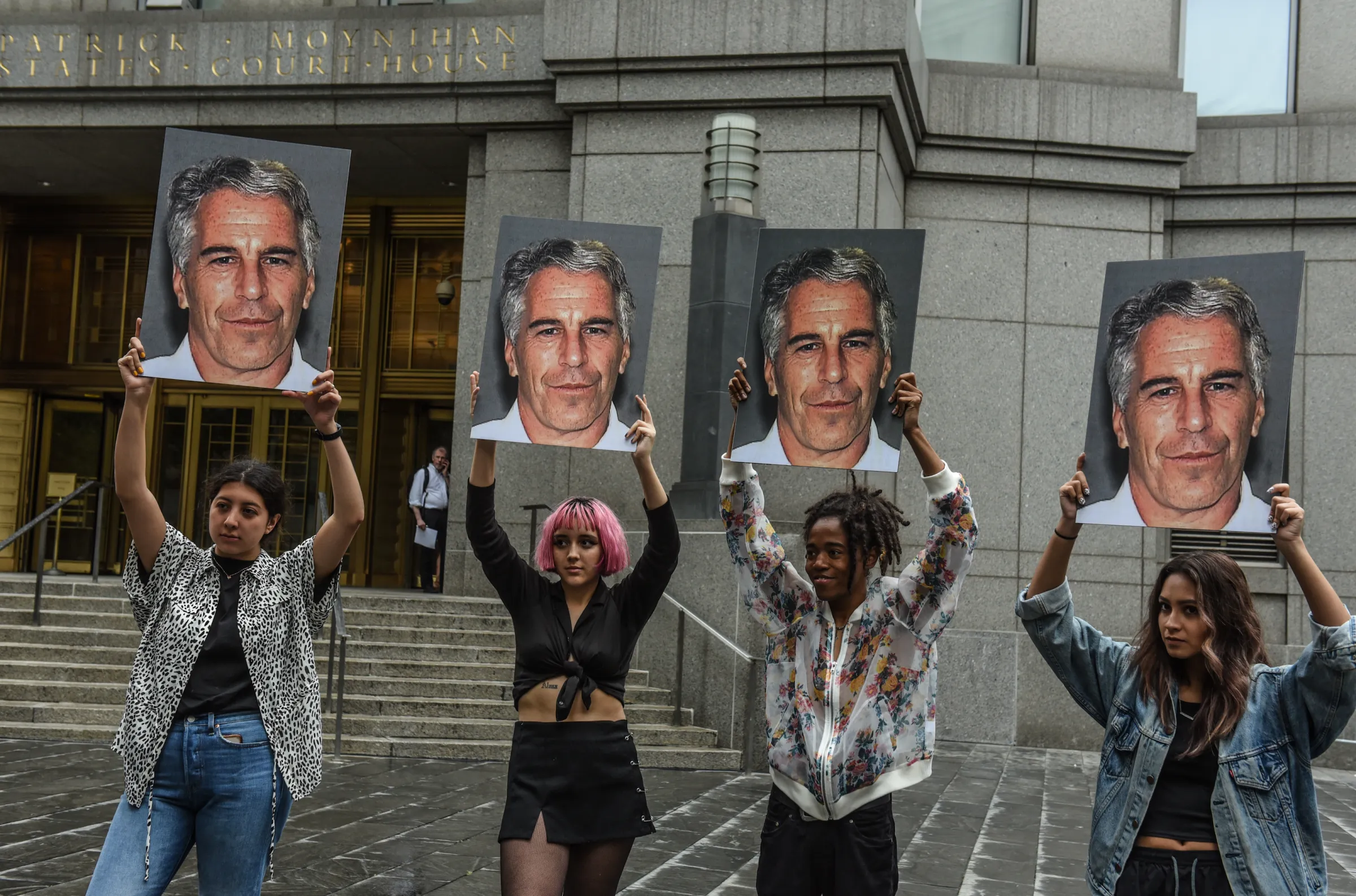
Why the Epstein File Matters?
- Accountability for Abuse: To ensure that victims’ experiences are officially acknowledged rather than ignored, the files assist in documenting how major crimes against minors occurred throughout time.
- Transparency in the Justice System: Public access to records restores trust by demonstrating how investigations were conducted and where the system failed.
- Exposure of Power Imbalance: The case raises questions about equal treatment under the law by demonstrating how power and riches may skew justice.
- Institutional Reform: Disclosures highlight weaknesses in jail supervision, prosecution, and law enforcement, bolstering calls for systemic changes.
- Victim-Centered Justice: The revelations substantiate the claims made by survivors and highlight the necessity of more robust safeguards and support systems.
- Public Right to Know: The file enables independent fact-checking by individuals, journalists, and researchers as a matter of public interest.
- Prevention of Future Abuse: By strengthening safeguards, monitoring, and responsibility in the future, an understanding of what went wrong helps prevent such misuse.
Conclusion
One of the most comprehensive document releases about a criminal investigation in contemporary memory is the Epstein file. It combines court documents, private correspondence, photos, and films to create a nuanced portrait of Jeffrey Epstein’s life, transgressions, and impact. Concerns regarding complete transparency, the level of redaction, and the names implicated have all contributed to the controversy surrounding the files.
Frequently Asked Questions (FAQs)
What does the Epstein File refer to?
It alludes to court records and proof related to Jeffrey Epstein and his associates.
Are all names in the Epstein File guilty?
No, inclusion raises issues but does not always imply misconduct.
Why was Epstein’s plea deal controversial?
Because it enabled him to evade federal prosecution despite substantial evidence.
Is the Epstein case officially closed?
Investigations and document releases are ongoing, but legal aspects are closed.
Why does the Epstein File still matter today?
Because it draws attention to persistent systemic flaws.
Sources:
- https://en.wikipedia.org/wiki/Epstein_files
- https://www.bbc.com/news/articles/c20r07dg6kro
- https://www.thehindu.com/videos/watch-what-are-the-epstein-files-and-why-has-this-triggered-a-political-controversy-in-india/article70595758.ece
- https://www.nytimes.com/2026/02/03/world/epstein-files-russia-ukraine-venezuela.html
- https://www.justice.gov/usao-sdny/press-release/file/1180481/dl
- https://timesofindia.indiatimes.com/etimes/trending/epstein-files-meaning-in-10-points/photostory/121680929.cms
Leave a Reply