What is US-Venezuela Conflict?
Introduction
The US-Venezuela conflict is not a sudden clash. It is more like a slow-burning fire that has been building for decades. At its core, this conflict blends politics, ideology, oil, and power. What started as a complicated diplomatic relationship has turned into one of the most tense standoffs in the Western Hemisphere. To really understand it, you need to look beyond headlines and dig into history, economics, and human impact.
Historical Roots of US-Venezuela Relations
- Early Diplomatic Ties
- For much of the 20th century, the United States and Venezuela were on relatively friendly terms. Venezuela was a key oil supplier, and the US supported several Venezuelan governments as long as they aligned with American interests. The relationship was practical, not emotional. Oil flowed north, investments flowed south, and both sides benefited.
- Cold War Influence in Latin America
- During the Cold War, the US focused heavily on preventing socialist movements in Latin America. Venezuela, although not communist, was part of this strategic chessboard. American foreign policy favored stability and alignment over democracy, which planted seeds of resentment that would surface later.
- Oil reserves
- Venezuela holds the world’s largest proven crude oil reserves, making it strategically vital.
- Sanctions era: Since 2017, the US has imposed sanctions targeting Venezuela’s oil exports, government officials, and financial institutions.
- Maduro’s contested rule: Nicolás Maduro’s 2018 re‑election was disputed internationally, with the US recognizing opposition leader Juan Guaidó.
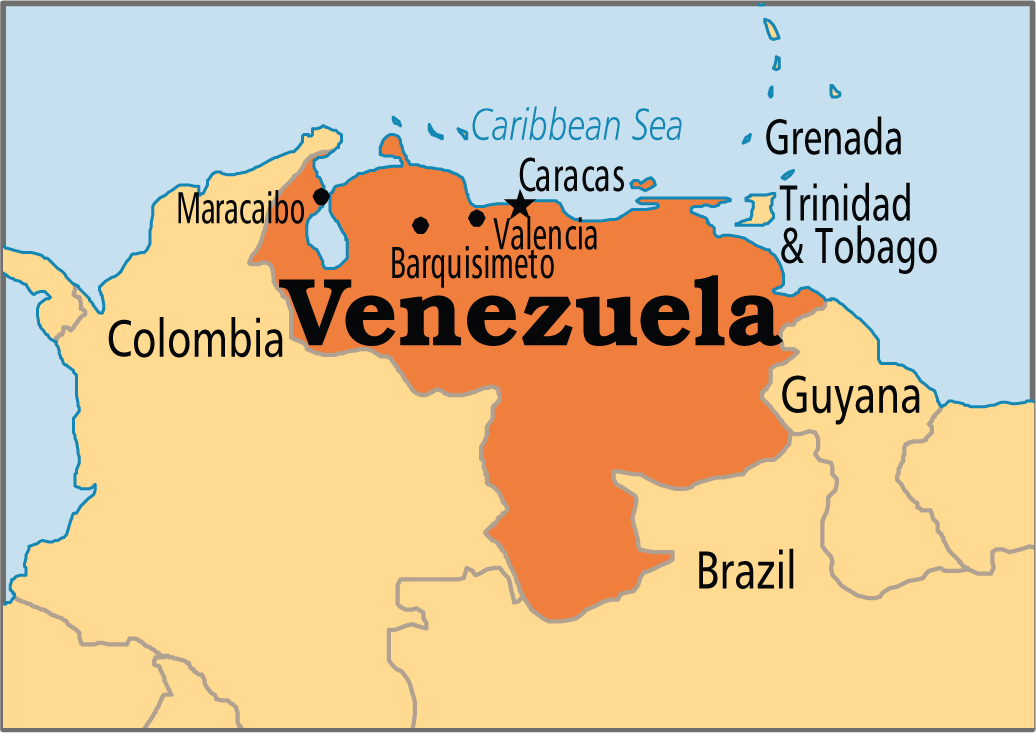
Escalation Timeline (2025–2026)
- September 2, 2025: US carried out its first strike on a vessel accused of drug smuggling.
- November 2025: Over 10,000 US personnel deployed across the southern Caribbean.
- December 2025: Airstrikes inside Venezuela targeting alleged cartel operations.
- January 3, 2026: Operation Absolute Resolve—US forces captured Maduro and his wife, Cilia Flores, in Caracas.
Rise of Hugo Chávez and a Turning Point
- Chávez’s Political Ideology
- Everything changed in 1999 when Hugo Chávez came to power. He introduced a socialist model that challenged US influence and openly criticized American foreign policy. Chávez spoke directly to the poor, nationalized industries, and positioned Venezuela as a leader against US dominance.
- Breakdown of Trust with the United States
- From Washington’s perspective, Chávez was unpredictable and hostile. From Caracas’s view, the US was an imperial bully. Mutual suspicion replaced cooperation, and the US-Venezuelan conflict entered a new phase.
Oil: The Heart of the US-Venezuela Conflict
- Venezuela’s Oil Reserves
- Venezuela holds some of the largest proven oil reserves in the world. This makes it strategically important and incredibly vulnerable. Oil has always been both a blessing and a curse for the country.
- US Dependence and Strategic Interests
- For years, the US relied on Venezuelan oil. Even during political tensions, energy trade continued.
- Role of PDVSA and US Energy Companies
- The state oil company PDVSA was once efficient and profitable. Over time, mismanagement and sanctions crippled it. US companies that once operated freely were forced out, deepening economic damage and political hostility.
- Drug‑Trafficking Allegations
- Washington accused Maduro’s government of collusion with cartels, framing military action as counter‑narcotics operations.
- Washington accused Maduro’s government of collusion with cartels, framing military action as counter‑narcotics operations.
Humanitarian Crisis and Migration
- Shortages and Inflation
- Empty supermarket shelves, power outages, and medicine shortages became daily realities. Hyperinflation turned salaries into pocket change almost overnight.
- Regional Migration Fallout
- Millions of Venezuelans fled to neighboring countries. This mass migration reshaped politics and economies across Latin America, adding another layer to the US-Venezuelan conflict.
- Refugee crisis
- By late 2025, 7.9 million Venezuelans had fled the country, with 6.9 million hosted in Latin America.
- Economic strain
- Despite vast oil reserves, Venezuela’s economy remains crippled by sanctions and mismanagement.
Global Powers and the Conflict
- Russia and China’s Involvement
- Russia and China stepped in with loans, military support, and investments. This turned the US-Venezuelan conflict into part of a larger global power struggle.
- Latin American Regional Responses
- Countries in the region are divided. Some support US pressure, others call for dialogue and non-intervention.
Impact of the US-Venezuela Conflict on India
- Minimal Trade Impact
- The Global Trade Research Initiative (GTRI) claims that since bilateral trade has already collapsed due to US sanctions, the conflict will have very little effect on India’s trade.
- In FY2025, India’s exports to Venezuela were just USD 95.3 million, mostly in the form of pharmaceuticals.
- Limited Energy Exposure
- India imported USD 255.3 million worth of crude oil from Venezuela in FY2025, down 81.3% from USD 1.4 billion in FY2024.
- Therefore, it seems doubtful that the ongoing conflict will have a significant short-term impact on India’s energy security.
- Discounted Venezuelan crude may re-enter international markets if sanctions against the country are loosened or adjusted, enhancing India’s long-term crude supply diversification and procurement flexibility.
- In the face of US pressure to lessen reliance on Russian oil, this would strengthen India’s negotiating position with West Asian suppliers and provide an alternative.
- Strategic Autonomy
- India has continuously promoted non-interventionism and democratic methods of regime change as opposed to the use of foreign armed action.
- The US action makes it more difficult for India to strike a balance between its strategic alliance with the US and the Global South, which is against intervention.
Impact on Ordinary Citizens
- Life Under Sanctions
- Daily life is a constant struggle. Families rely on remittances, informal work, and community support to survive.
- Voices from the Ground
- Many Venezuelans criticize both their government and foreign powers, feeling trapped between politics and survival.
Conclusion
The US-Venezuela Conflict represents a turning point in hemispheric relations, combining economic warfare, military intervention, and ideological confrontation. While Washington frames its actions as counter‑narcotics and pro‑democracy, critics argue they amount to neo‑interventionism. For Venezuela, the crisis has deepened humanitarian suffering and political uncertainty. The coming years will determine whether this conflict leads to regional destabilization or negotiated peace.
Frequently Asked Questions (FAQs)
What is the Monroe Doctrine?
It is a US foreign policy theory from 1823 that upholds US security interests in the Western Hemisphere and opposes European colonization or meddling.
What is the Monroe Doctrine’s “Trump Corollary”?
It refers to a modern reinterpretation that asserts US military, economic, and political supremacy in Latin America in order to oppose adversarial governments and competitor powers.
Why did the US intervene in Venezuela?
Charges of narco-terrorism, worries about energy security, and Venezuela’s connections to China, Russia, and Iran were the main reasons given by the US.
Sources:
- https://en.wikipedia.org/wiki/United_States%E2%80%93Venezuela_relations#:~:text=In%20September%202025%2C%20the%20United,transferring%20them%20to%20New%20York.
- https://www.cfr.org/global-conflict-tracker/conflict/instability-venezuela
- https://www.bbc.com/news/articles/c93n4nx5yqro
- https://afsc.org/news/what-you-need-know-about-us-attack-venezuela
- https://www.orfonline.org/expert-speak/us-operation-in-venezuela-modern-conflict-lessons
- https://news.uchicago.edu/story/whats-next-venezuela-after-us-arrest-maduro
Leave a Reply